
Loading...
Serving Urbana, IL and surrounding areas. (217) 207-0899
Urbana Insulation is an insulation contractor serving Gibson City, IL with blown-in insulation, attic insulation, crawl space insulation, and spray foam - we work throughout Ford County on older single-family homes and respond to every estimate request within one business day.
Most Gibson City homes were built before 1970 - two-story frame houses and older ranch-style homes that have outlasted the insulation they were originally built with. Ford County's flat terrain and clay-heavy soil add a moisture dimension that makes insulation choices here different from newer suburban construction. We address both in every job.
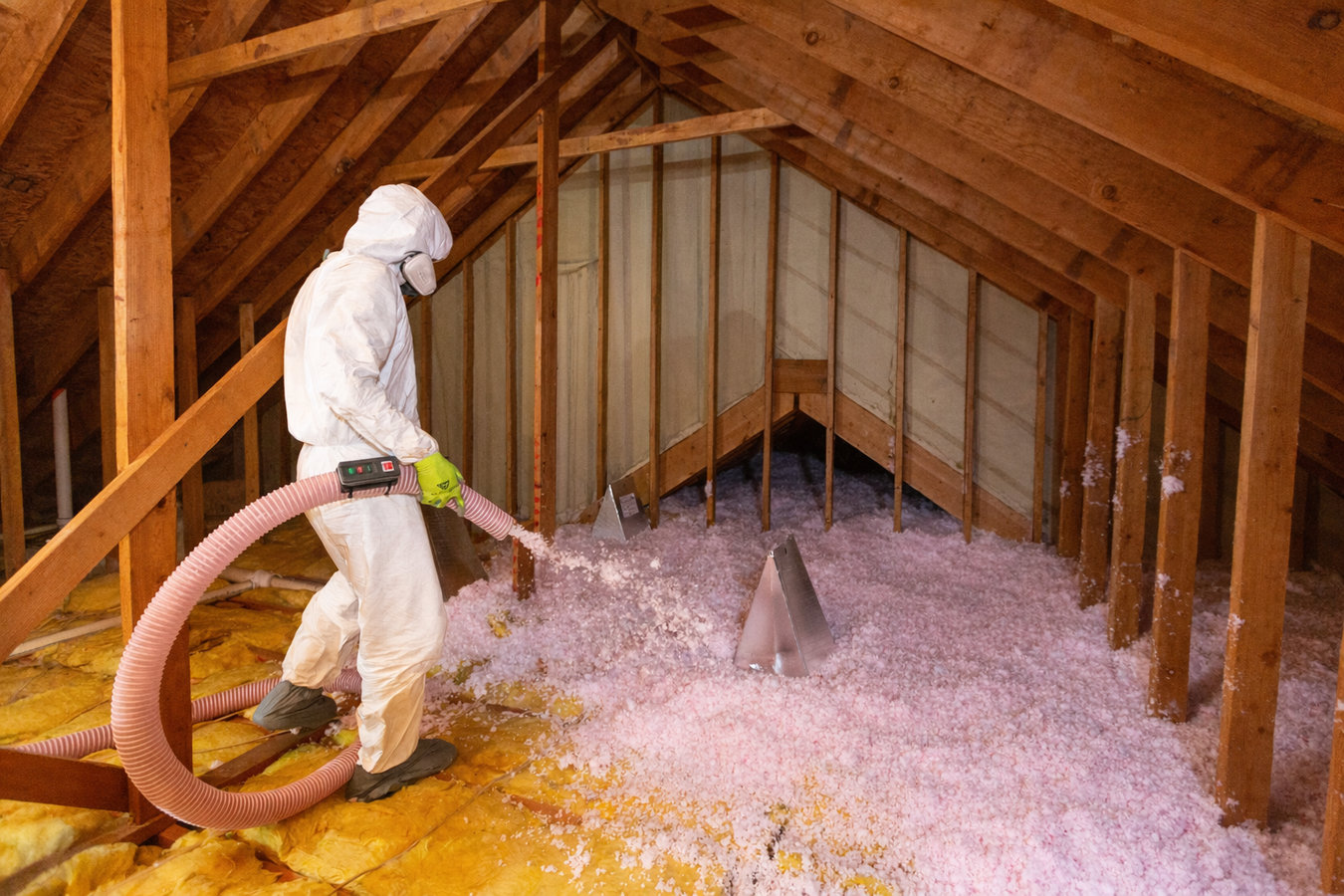
For Gibson City homes with original attic insulation that has settled to two or three inches over several decades, blown-in cellulose or fiberglass is the most practical way to reach current Climate Zone 5 depth without gutting the existing material. Our blown-in insulation service fills irregular joist bays completely and works in low-clearance attics common in Gibson City's older two-story homes, where batts would not lie flat or cover evenly.
Gibson City winters bring temperatures well below zero and frost that drives deep into the ground from November through March - and a Gibson City home with original 1960s attic insulation has almost no protection against that kind of sustained cold. Upgrading attic insulation to current recommendations is the change that most homeowners here feel most directly: upper floors stay warmer, heating systems cycle less, and energy bills drop from the first winter after the work.
Gibson City homes near the historic downtown area often have full basements or low crawl spaces that have never been properly insulated or moisture-controlled. Ford County's clay soil stays wet long after rain and pushes ground moisture into unprotected crawl spaces all spring and fall. Insulating the crawl space walls or floor and pairing that work with a vapor barrier makes floors warmer, reduces moisture in the living areas above, and slows the degradation of wood framing and subfloor materials that unchecked moisture causes over time.
Older Gibson City homes frequently have rim joist cavities, masonry block foundation walls, and gaps around plumbing and electrical penetrations that standard batt or blown-in insulation cannot seal effectively. Spray foam closes those openings completely, sealing both air and moisture in a single application. It holds up well in the freeze-thaw conditions that Ford County's winters produce, making it the right material for areas where other insulation types have historically failed.
Decades of settling, plumbing updates, and electrical work have left air pathways at the attic floor plane in most Gibson City homes built before 1970. Air sealing those gaps before adding insulation is the step that makes a thermal upgrade actually perform as expected in a real central Illinois winter - without it, cold air bypasses the insulation and the improvement underperforms from the start. It is also the most cost-effective single step for homes with drafty upper floors and rooms that never get warm enough.
Gibson City sits on flat Ford County land where water does not drain away quickly after rain - it pools and seeps. Ground moisture is a persistent problem under homes here, and a properly installed vapor barrier on the crawl space floor is the most direct way to stop it from migrating into the space above. Paired with crawl space insulation, a vapor barrier dramatically improves conditions in the lower level of a home and protects the framing and insulation investment over the long term.
Gibson City grew up along the Illinois Central Railroad in the late 1800s, and most of the homes closest to downtown were built in the first half of the 20th century. Census data shows that a large share of Ford County's housing stock was built before 1970, and many Gibson City homes pre-date modern insulation standards entirely. Buildings from that era were constructed with materials and techniques that have now had 50 to 100 years of exposure to central Illinois winters - hard freezes, deep frost, clay-soil heave, and sustained cold that pushes temperatures well below zero. An attic with two inches of settled insulation from the Eisenhower era is not meeting Climate Zone 5 performance requirements, and the gap between what those homes have and what they need is large enough to show up clearly on every January utility bill.
Ford County's heavy clay soil is a separate factor that shapes insulation decisions in Gibson City in ways that owners of newer suburban homes do not have to think about. Clay soil absorbs water and holds it, and it expands and contracts with seasonal moisture changes. The flat terrain means there is no natural slope to carry water away from foundations. Ground moisture under Gibson City homes stays present almost year-round in wetter years, and it migrates into crawl spaces through unprotected floors and foundation walls. The insulation in those crawl spaces - if it exists at all - degrades faster than it should because it is fighting moisture from below in addition to cold air from outside. A coordinated approach that addresses attic, rim joists, and crawl space together is the only way to bring a Gibson City home's overall thermal and moisture performance up to a level that actually holds through a full winter.
Our crew works throughout Gibson City regularly, and we understand the local conditions that affect insulation work here. Gibson City is about 30 miles north of Champaign-Urbana on US Route 54, and we run jobs in Ford County on a consistent basis throughout the year. The homes we see most often in Gibson City fall into two groups: older two-story frame houses in the neighborhoods closest to the historic downtown and the original railroad corridor, and ranch-style homes on the more recently developed streets toward the edges of town. The downtown-area homes are the oldest in the city - some date to the late 1800s - and they are the most likely to have original insulation, wood-frame construction above full basements, and crawl space conditions that have never been properly addressed. We plan for that going in, rather than discovering it partway through a job.
Gibson City is also closely connected to Rantoul, about 20 miles to the south, and we serve homeowners across the Ford and Champaign county corridor. The GCMS school district is a landmark familiar to every Gibson City family, and we have worked on homes from the neighborhoods nearest to the schools out to the rural properties on the county roads surrounding town. If you need a straightforward assessment of what your Gibson City home actually needs - no upsell, just an honest look at the attic and crawl space - call us directly or request an estimate online and we will get back to you within one business day.
Reach us by phone or submit a request through our website. We respond within one business day to schedule the on-site visit at a time that works with your schedule.
We inspect the attic, crawl space, and rim joists in person at no charge. Older Gibson City homes regularly have conditions not visible from outside, and we find them before quoting rather than after the job starts.
You receive a written estimate with a clear breakdown of materials, labor, and scope before any work begins. No verbal quotes that change when the invoice arrives - the price you approve is the price you pay.
Most Gibson City insulation jobs are finished in a single day. We clean the work area thoroughly before leaving and walk you through what was completed so you can see the result before we go.
We serve Gibson City and all of Ford County. No pressure, no obligation - a straightforward assessment and a written price before any work starts.
(217) 207-0899Gibson City is a small city in Ford County, Illinois, with a population of around 3,300. It sits about 30 miles north of Champaign-Urbana on US Route 54 and serves as a practical home base for people who want small-town life with access to a larger city nearby. The town grew up along the Illinois Central Railroad in the late 1800s, and its downtown block and original residential streets trace directly back to that railroad-era development. The homes closest to downtown are among the oldest in the county - many are Victorian and Craftsman-influenced two-story frame houses with covered front porches and full basements that were built at the turn of the 20th century. Gibson City is also the home of the Ford County Fair, one of the most attended local events in the area each summer, and the GCMS school district is a center of community life for families throughout the Gibson City area. For current permit and inspection requirements, the City of Gibson City handles residential building permits and code enforcement.
Gibson City sits on extremely flat terrain - Ford County is one of the flattest places in Illinois - and the lots here are laid out on a grid with almost no natural slope to carry water away from foundations. That flatness, combined with the county's clay-dominant soil, makes drainage and moisture management a real and recurring issue for homeowners throughout the city. Owner-occupancy rates are high in Gibson City, and people tend to stay in their homes for a long time, which makes insulation and weatherproofing upgrades worthwhile investments rather than cosmetic fixes. We also serve homeowners in nearby Rantoul and the surrounding areas of north Champaign and Ford counties.
High-density foam for superior moisture control and thermal resistance.
Learn MoreFlexible, affordable foam insulation ideal for interior applications.
Learn MoreEnergy-efficient insulation solutions for commercial buildings of all sizes.
Learn MoreBlock ground moisture from entering your home with a vapor barrier.
Learn MoreProfessional vapor barrier installation to protect structure and air quality.
Learn MoreFord County winters are cold and the clay soil does not make things easier - call Urbana Insulation today for a free assessment and written estimate before the next heating season gets here.