
Loading...
Serving Urbana, IL and surrounding areas. (217) 207-0899
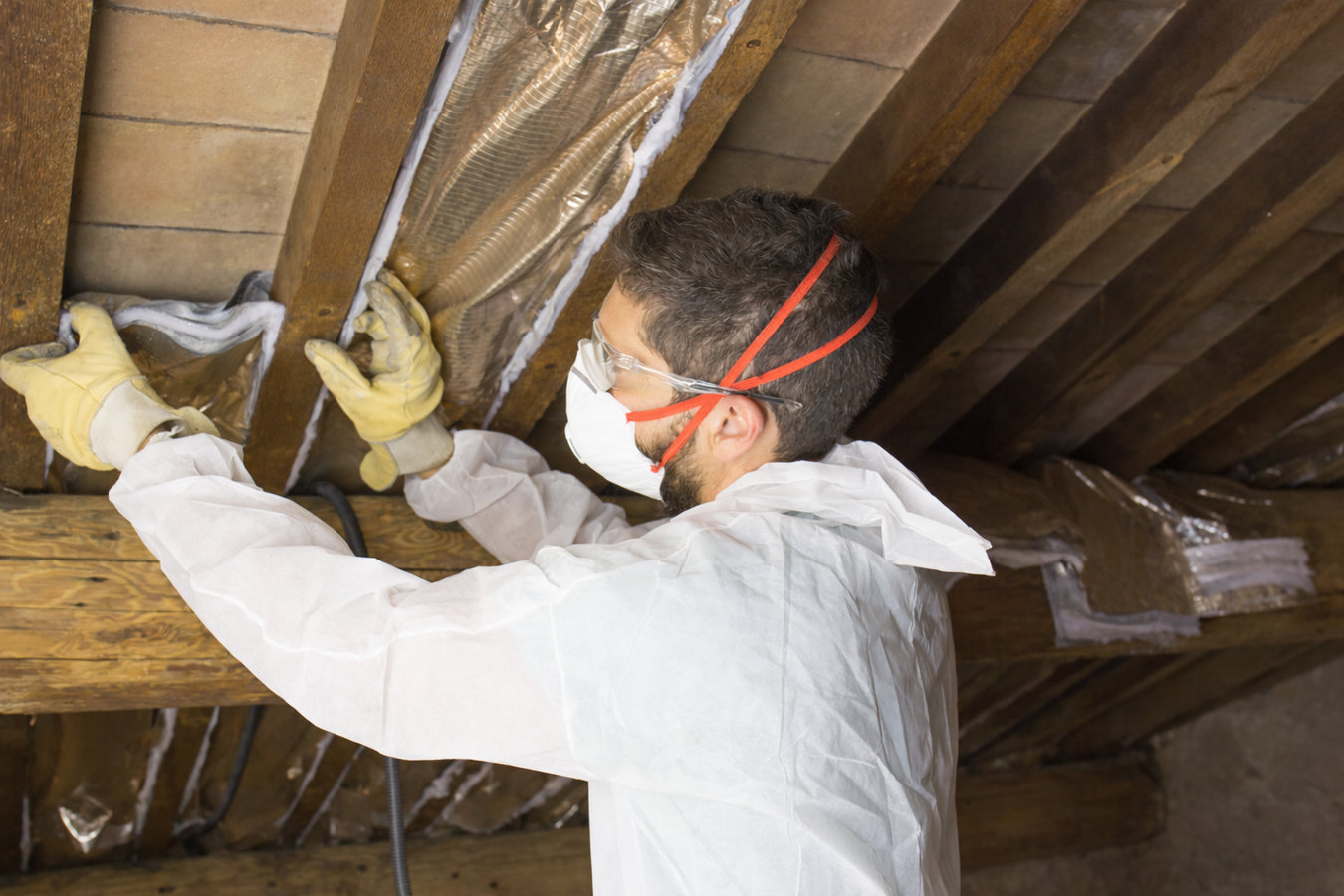
Warm air escapes through dozens of hidden gaps in your attic floor every day. Sealing those gaps is the fastest way to cut heating bills and make every room more comfortable.
Attic air sealing in Urbana, IL means finding and plugging every gap in your attic floor - around pipes, wires, light fixtures, chimneys, and wall tops - so conditioned air stays inside your living space where it belongs, and most jobs on a typical home are completed in one to two days with no disruption to your daily routine.
Warm air rises, and in an unsealed home it pushes right up through the attic floor and out. Your furnace or air conditioner then runs longer trying to replace what was lost. In Urbana, where winters regularly drop below 10 degrees and summers bring real humidity, that process costs you money in every season. Homes built before 1980 - a large share of Urbana's housing stock - were never built with air sealing in mind, which means the gaps were there from day one. Pairing attic air sealing with good attic insulation gives you the most complete thermal protection for the top of your home.
The work is done entirely from inside the attic - your living space stays clean and normal. A technician seals every penetration they find using caulk for small gaps and expanding foam for larger ones. Insulation that has to be moved gets replaced when the job is done. Many homeowners notice the difference in comfort and on their energy bills within the first full heating season.
If your gas or electric bill climbs sharply during Urbana's coldest months - even though your thermostat settings have not changed - air leaking through your attic floor is a likely cause. Heat rises and escapes through gaps faster than most people realize, and your furnace has to run longer to compensate. If neighbors in similarly sized homes are paying noticeably less, that is a signal worth acting on.
If the upstairs bedrooms or rooms directly below your attic feel colder than the rest of the house in winter, cold air is likely dropping down from the attic through gaps in the ceiling. This is especially common in Urbana's older homes, where the tops of interior walls were never sealed and act like open chimneys. You might also notice the ceiling feels cold to the touch in those rooms.
Pull down your attic stairs or open your attic access hatch and look around the edges. If you can see light coming through gaps, or if you feel a noticeable temperature difference between the attic and the hallway below, air is moving freely between those two spaces. That same air movement is happening at dozens of other spots in your attic floor that are harder to see.
Ice dams - the ridges of ice that form along the edge of your roof after a snowfall - are a classic sign that warm air is escaping from your living space into the attic and melting snow from the underside of the roof. Urbana gets enough winter precipitation and cold snaps that ice dams are a real risk. Left unaddressed, they can push water under shingles and into your ceilings. Air sealing addresses the root cause.
Every attic air sealing job starts with a thorough assessment. A technician goes into the attic, moves or temporarily pulls back existing insulation, and works systematically across the attic floor - sealing around every pipe, wire, recessed light fixture, chimney chase, and wall top they find. Small gaps get caulk; larger openings get expanding foam or rigid blocking. The goal is to close every air pathway, not just the obvious ones. Once the sealing is complete, any insulation that was moved gets put back, and the access area is cleaned up before we leave. If your attic would benefit from additional insulation after sealing - which is common in older Urbana homes - we can combine both into a single visit.
For homes that also need attention below the living space, we offer retrofit insulation to address walls and crawl spaces where conditioned air is also escaping. Homeowners interested in a whole-home approach can pair attic sealing with broader attic insulation upgrades for the most complete thermal envelope. We assess your home first and recommend only what it actually needs - no upselling.
A complete seal of every penetration across the attic floor - the standard approach for most Urbana homes and the highest-impact single project for energy savings.
Combines thorough air sealing with blown-in insulation added on the same visit - ideal for older homes where both gaps and thin insulation are present.
Focuses on specific high-loss areas - recessed lights, chimney chases, plumbing runs, and top plates - suited for homes where a blower door test has identified priority zones.
Sealing performed before new insulation is installed, ensuring the new material works as intended without air bypasses undermining its performance.
Urbana sits in east-central Illinois, where winters regularly drop below 10 degrees and summers push past 90 degrees with real humidity. That wide seasonal swing means your heating and cooling systems are under stress for most of the year - and any air escaping through your attic floor is costing you money in both directions. Homeowners here tend to see faster payback on attic air sealing than people in milder climates, because the savings show up on your Ameren Illinois bill within the first full heating season. The U.S. Department of Energy estimates that sealing air leaks can reduce heating and cooling costs by up to 15 percent - and in a climate like Urbana's, that adds up fast.
A large share of Urbana's homes were built between the 1920s and 1970s - particularly in neighborhoods near the University of Illinois campus and older residential streets throughout the city. Homes from that era were constructed without any air sealing as a standard practice, meaning the gaps were left open from the day the house was framed. Homeowners in Champaign and Savoy with similarly aged homes face the same situation and benefit from the same approach. If your home was built before 1980 and has never had an energy assessment, there is a good chance significant air leakage has been happening the entire time you have owned it. The ENERGY STAR Seal and Insulate program provides additional guidance on why older homes benefit most from this work.
We ask a few basic questions - your address, the age of your home, and what prompted you to reach out. Most scheduling happens within a few days. We reply to all requests within one business day.
A technician visits and goes into the attic to assess existing insulation, identify gap locations, and check for any moisture or ventilation issues to address first. This visit takes 30 to 60 minutes and ends with a written estimate.
The crew works entirely in the attic, moving insulation as needed and sealing every penetration with caulk or foam. Your living space stays clean. Most standard jobs are completed the same day.
Before leaving, we walk you through what was found and sealed - and provide photos if taken. We give you written documentation of the work, which you will need for any Ameren rebate or federal tax credit application.
Free estimate. No pressure. We will tell you exactly what we find and what it costs before any work begins.
(217) 207-0899A large share of our attic air sealing work is in homes built between the 1920s and 1970s - the same era that makes up much of Urbana's residential neighborhoods. We know where the gaps tend to hide in older wood-frame construction and what a thorough job looks like in that type of home.
We participate in Ameren Illinois energy efficiency programs, which means we can help you capture available rebates without navigating the process alone. We provide the documentation you need for both utility rebates and the federal tax credit - so you do not leave money on the table.
Our assessment follows the principles set by the Building Performance Institute - the national certification body for home energy professionals. We check ventilation, look for moisture issues, and prioritize the penetrations that make the biggest difference rather than just sealing the easy ones. The work is done to a standard, not just done.
Every attic air sealing job ends with a walkthrough. We explain what we found, show you photos of what was sealed, and leave you with written documentation. You know exactly what was done - and you have the records if you ever need them for a home sale or rebate application.
Attic air sealing is one of those projects where the quality of execution matters more than almost anything else. We do this work carefully, document it thoroughly, and stand behind the results. That is why most of our Urbana customers come back when they are ready for the next project.
Add insulation to existing walls, attics, and crawl spaces without major demolition - often the natural next step after air sealing is complete.
Learn MoreBring attic insulation up to recommended levels for central Illinois - most effective when paired with air sealing done first.
Learn MoreFall slots fill fast before heating season - lock in your date now and start saving on your first winter bill.