
Loading...
Serving Urbana, IL and surrounding areas. (217) 207-0899
Urbana Insulation is an insulation contractor serving Decatur, IL with commercial insulation, spray foam, blown-in insulation, and crawl space work - we cover Macon County homes and businesses and respond to every estimate request within one business day.
Decatur has a wide mix of properties - craftsman bungalows and brick foursquares from the early 1900s near downtown, ranch homes from the postwar decades on the west and south sides, and a significant industrial and commercial building stock anchored by Macon County manufacturing. Each building type has distinct insulation needs driven by age, construction method, and proximity to the Sangamon River watershed.
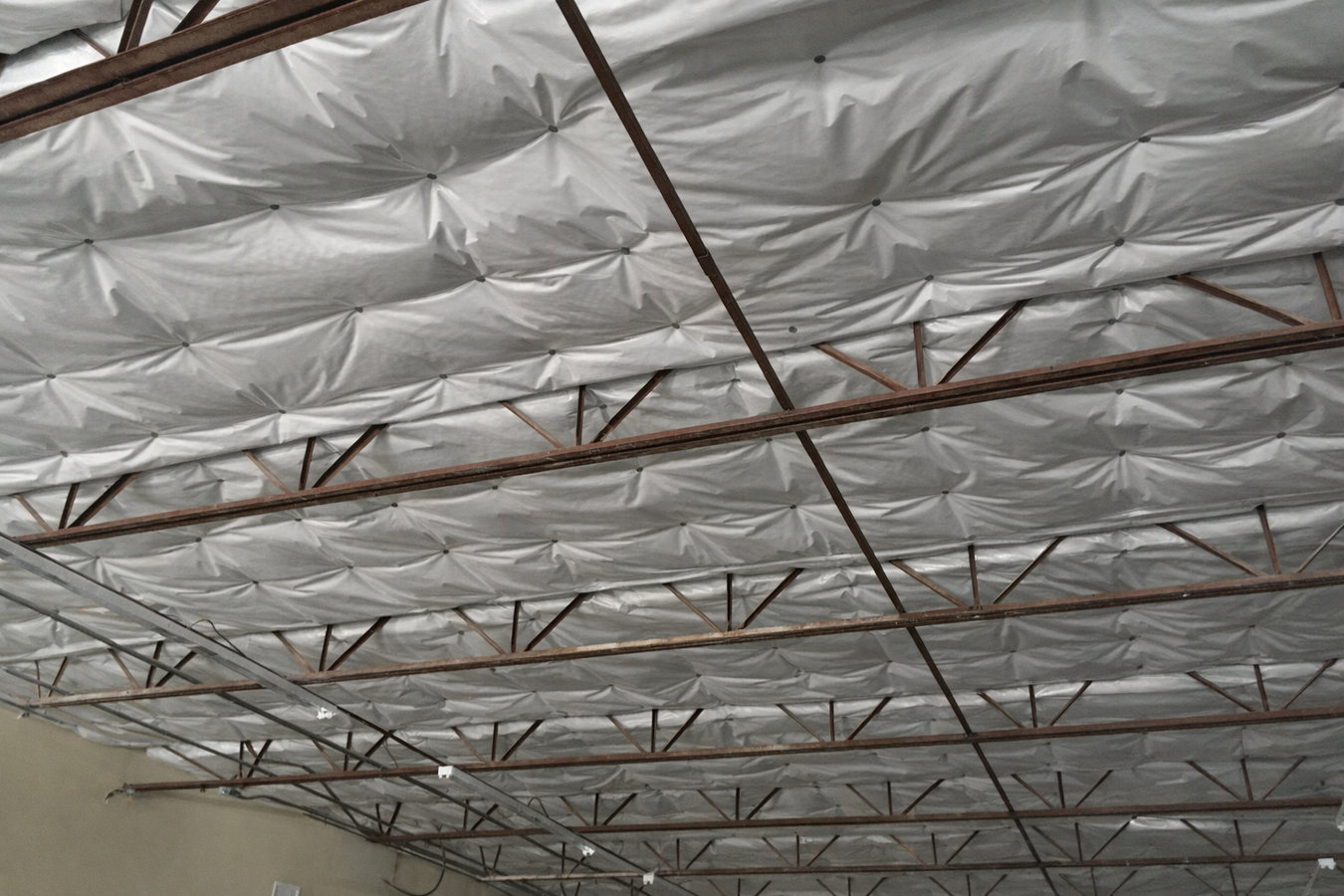
Decatur has a substantial commercial and industrial building stock, from warehouse and processing facilities near the ADM corridor to older downtown commercial buildings with cavity wall construction from the early 1900s. Our commercial insulation services cover metal panel systems, masonry block walls, and large-span roof assemblies - the building types common in Decatur's industrial districts where residential-grade materials and approaches do not apply.
Decatur's pre-1960 homes have rim joist cavities, masonry block foundation walls, and penetrations from decades of plumbing and electrical updates that batts and blown-in material cannot seal effectively. Spray foam closes those openings in a single application, sealing both air and moisture. For homes near Lake Decatur or in neighborhoods with documented basement seepage, spray foam on the rim joists and foundation walls delivers the dual function of air barrier and water-resistive layer that other insulation types cannot match.
For Decatur homes with settled original attic insulation - a common condition in the craftsman bungalows and foursquares near downtown and the ranch homes from the 1950s and 1960s across the rest of the city - blown-in cellulose or fiberglass brings the attic floor to Climate Zone 5 depth without full tear-out. It fills irregular joist bays completely and works in the lower-clearance attics that are common in Decatur older two-story homes, where standard batts cannot lie flat or achieve even coverage.
Decatur winters push temperatures into the single digits and below, and the frost depth in central Illinois reaches 30 to 40 inches most years. An older Decatur home with original 1940s or 1950s attic insulation is losing conditioned air through the ceiling plane on every cold night from November through March. Bringing the attic to proper depth is the thermal upgrade that most Decatur homeowners feel fastest - upper floors hold temperature better, the heating system runs less, and utility bills reflect the change in the first full winter after the project.
Ranch homes on Decatur's west and south sides often have crawl spaces that were never insulated or vapor-controlled when they were built in the 1950s and 1960s. Macon County's clay-heavy soil keeps ground moisture elevated under these homes for most of the year, and that moisture migrates upward into the living space, degrading wood subfloors and making floors cold through winter. Insulating the crawl space walls or floor and adding a vapor barrier addresses both the thermal and moisture problem in a single project.
Most Decatur homes built before 1970 have full poured-concrete or block basements, constructed deep enough to stay below the frost line. Over time, these basements show water intrusion, efflorescence, and cracked walls - particularly in neighborhoods near the Sangamon River and Lake Decatur where the water table runs higher. Insulating basement walls reduces heat loss through below-grade concrete, makes the lower level usable in winter, and can be combined with waterproofing measures to address the moisture issues that are endemic in older Decatur basements.
Decatur is a city where the building stock reflects a century of construction rather than a single decade, and insulation needs vary widely depending on when a home was built and where it sits. The craftsman bungalows and two-story foursquares near downtown and around Millikin University were built when coal was cheap and insulation was minimal - most have original plaster walls, older mechanical systems, and attic insulation that has been settling for 70 or more years. The ranch houses built in the postwar decades on the west and south sides of the city were better insulated when new, but materials from the 1950s and 1960s are now well past the performance level that Climate Zone 5 standards call for. Both housing types have the same underlying problem: they are losing conditioned air through the building envelope every month, and the cost shows up in utility bills year-round.
The presence of Lake Decatur and the Sangamon River running through the city creates a moisture environment that affects homes differently depending on their location. Clay-heavy Macon County soil holds water after rain and expands and contracts with seasonal moisture cycles, putting pressure on foundations and basement walls throughout the city. Homes in the lower-lying neighborhoods closest to the lake and river see more direct basement seepage and higher crawl space humidity than homes on elevated ground. Central Illinois thunderstorms and spring rain events compound this seasonally. An insulation approach that ignores the moisture variable will underperform here - the thermal and moisture problems in Decatur homes need to be addressed together.
Our crew works throughout Decatur regularly, and we understand the local conditions that affect insulation work here. Decatur is a mid-sized city with a genuinely diverse building stock - from the older brick neighborhoods near the Millikin University campus to the industrial corridor along the Sangamon River to the postwar residential subdivisions that filled in the city's west and south sides. Each part of town has different typical construction, different moisture conditions, and different insulation histories that shape what work actually needs to be done.
The Decatur area sits at the intersection of US Route 36 and Interstate 72, and Macon County is the commercial hub for a significant part of central Illinois. Archer Daniels Midland, Caterpillar, and Tate and Lyle are among the major employers whose facilities shape what commercial insulation work looks like in Decatur - large industrial buildings with specific thermal requirements that differ from standard residential jobs. We assess each commercial property individually before recommending materials or scope.
We also serve Bloomington and communities throughout central Illinois, and the freeze-thaw patterns, clay-soil moisture conditions, and older housing stock we encounter in Decatur are consistent with what we see across the region. Homeowners and property managers in Decatur get the same practical, honest approach we apply on every job.
Reach us by phone or through the contact form and we respond within one business day. We ask about the home or building type, age, and the problem you are trying to solve so the site visit is focused from the start.
We inspect the attic, crawl space or basement, rim joists, and any specific areas of concern. The assessment is free. You receive a written estimate covering scope, material, and total cost before we leave - no pressure, no follow-up sales calls.
Most Decatur residential jobs finish in a single day. Commercial projects are scoped individually. The crew arrives at the agreed time, works through the scope, and leaves the space clean. You do not need to be on-site if access is arranged in advance.
After the work is done, we walk through the installed areas, confirm coverage depth or foam application, and answer any questions about what was done and what to expect. Anything not meeting spec gets corrected before we close out the job.
We serve Decatur and Macon County homeowners and businesses with honest written estimates and no-pressure scheduling. Response within one business day.
(217) 207-0899Decatur is the county seat of Macon County and one of central Illinois's larger cities, with a population of roughly 68,000 to 70,000 people and a long history tied to agricultural processing and manufacturing. The city sits along the Sangamon River and is defined in part by Lake Decatur, a man-made reservoir that runs through the middle of the city and is surrounded by residential neighborhoods, parks, and recreation areas. The neighborhoods closest to downtown and around Millikin University are among the oldest, with craftsman bungalows, two-story brick foursquares, and larger Victorian-era homes that date to the late 1800s and early 1900s. Moving outward, the city transitions to the ranch-style subdivisions built in the postwar decades, which fill the west and south sides of Decatur.
Decatur's economy has long been shaped by Archer Daniels Midland, Caterpillar, and Tate and Lyle, and the city has a working-class character where residents tend to stay and invest in their properties over the long term. The homeownership rate is around 55%, with the remainder of occupied housing being rental properties - many of which are in the older building stock near downtown and carry deferred maintenance that owner-occupants are often trying to catch up on. We also serve Monticello and other Moultrie and Piatt County communities west of Decatur, and homeowners across the region can expect the same honest, straightforward approach on every job.
High-density foam for superior moisture control and thermal resistance.
Learn MoreFlexible, affordable foam insulation ideal for interior applications.
Learn MoreEnergy-efficient insulation solutions for commercial buildings of all sizes.
Learn MoreBlock ground moisture from entering your home with a vapor barrier.
Learn MoreProfessional vapor barrier installation to protect structure and air quality.
Learn MoreCall us today or submit a free estimate request - Decatur homeowners and businesses get a response within one business day and a written quote before any work starts.