
Loading...
Serving Urbana, IL and surrounding areas. (217) 207-0899
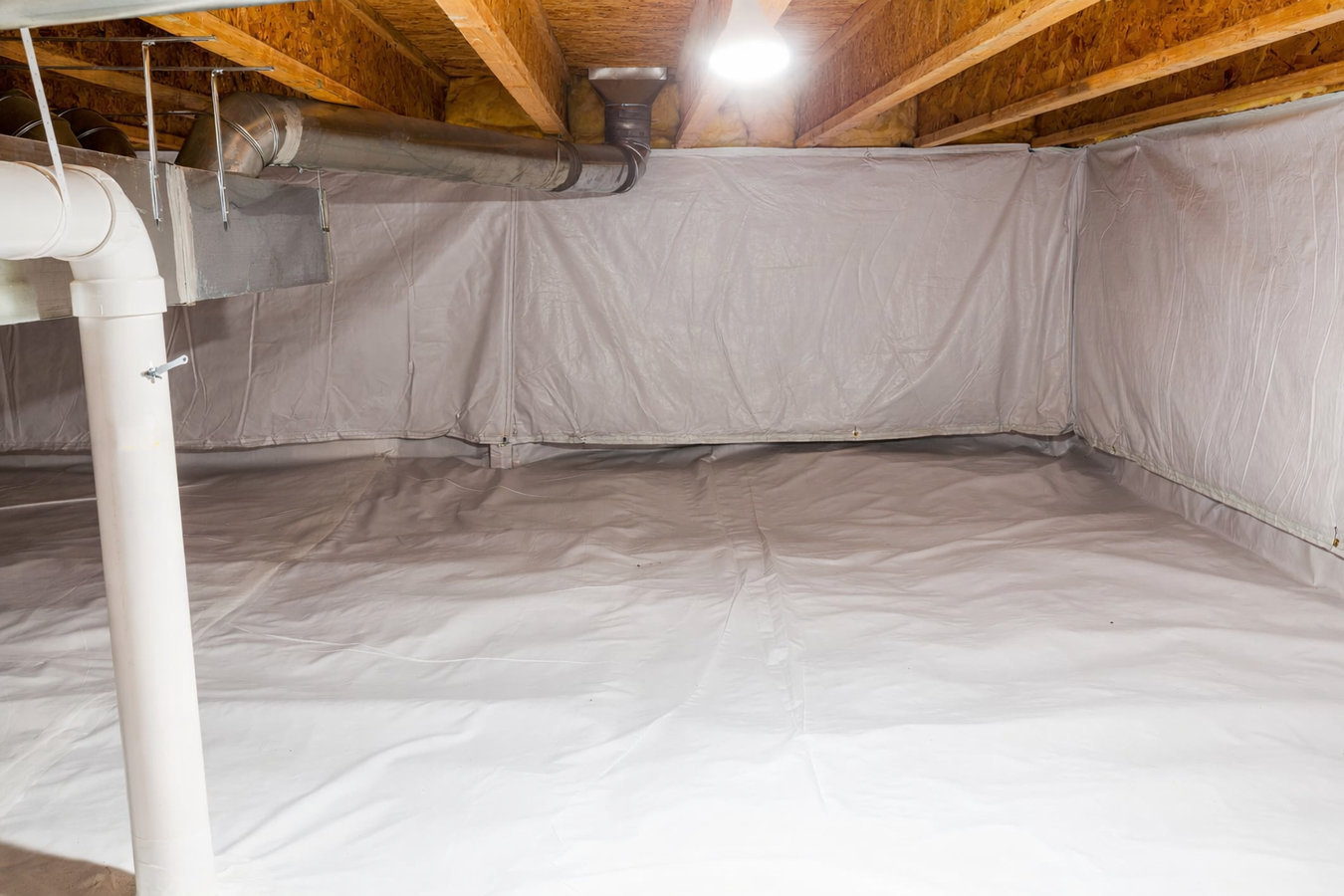
An uninsulated crawl space lets cold air and ground moisture push up into your living area all year. We seal it properly so your floors stay warm, your HVAC runs less, and the musty smell goes away.
Crawl space insulation in Urbana, IL acts like a thermal blanket between the cold ground and your living area - without it, cold air seeps up through your floors in winter and warm, humid air pushes in during summer, making your home harder to heat and cool. Most jobs are completed in one to two days.
Cold floors are one of the most common complaints we hear from Urbana homeowners, and the crawl space is often the culprit. When insulation in the crawl space is missing, sagging, or damaged, conditioned air escapes and outside temperatures push in from below. Many homes in Urbana were built without any crawl space insulation at all, or with materials that have long since deteriorated. If you are also dealing with related issues upstairs, our wall insulation service addresses heat loss through exterior walls as part of a complete home comfort strategy.
Moisture control is just as important as the insulation itself. A crawl space that stays damp will destroy insulation over time, no matter how good the material is. That is why we assess moisture conditions as part of every job - and why adding a proper vapor barrier is often part of what we recommend.
If you walk across your kitchen or living room floor in January and it feels noticeably cold underfoot, cold air is moving up from below. Urbana winters regularly bring extended stretches of temperatures in the teens and single digits, and an uninsulated crawl space lets that cold travel straight through your subfloor.
If your energy bills seem out of proportion to your home's size and you have not changed your habits, the crawl space may be forcing your HVAC system to work harder than it should. Urbana's climate means your system works hard in both winter and summer - a poorly insulated crawl space adds to that load year-round.
After Urbana's wet spring season, when snowmelt and rain saturate the clay-heavy soil, moisture can push up into an unsealed crawl space. A damp or musty odor on the ground floor - especially in spring - often comes from below. That smell rarely goes away on its own and usually signals the insulation is already compromised.
If you look into the crawl space with a flashlight and see fiberglass batts that are sagging, falling out, or visibly discolored, they are no longer doing their job. Any gaps where you can see the subfloor above or daylight from outside are places where conditioned air is escaping and outside air is getting in.
We offer two main approaches depending on your crawl space and your goals. The traditional method installs insulation between the floor joists above the crawl space - this works well when the space is dry and in reasonable condition. The more thorough approach is full encapsulation, where we insulate the crawl space walls, seal the space from outside air, and cover the ground with a heavy-duty moisture barrier. In Urbana's climate, with its humid summers and wet springs, encapsulation tends to perform better over time because it addresses moisture and temperature at the same time.
If the existing insulation is damaged or contaminated, we handle removal before installation begins. After the crawl space is properly sealed and insulated, many homeowners also add a crawl space vapor barrier to complete the moisture control system. For homes where the thermal envelope needs attention beyond the crawl space, we can also assess what is needed above - including wall insulation - so the whole home performs together. We will walk you through the right combination for your specific home after the assessment.
Best for crawl spaces that are dry and in good condition, where the goal is stopping heat loss through the floor with minimal disruption.
Suited for homes in Urbana where moisture is an issue - seals the walls, installs a heavy vapor barrier on the ground, and addresses temperature and humidity together.
For crawl spaces where old, sagging, or contaminated insulation needs to come out before new material goes in - common in Urbana's older housing stock.
Added alongside insulation to keep Urbana's clay-soil ground moisture from pushing up into the crawl space and degrading the insulation over time.
Urbana sits in USDA Plant Hardiness Zone 5b and experiences average winter lows well below freezing, with summer humidity that regularly pushes into uncomfortable territory. That combination - cold winters and warm, humid summers - means your crawl space is under stress year-round. The soils around Urbana and throughout Champaign County contain significant clay content, which holds water close to the surface long after rain or snowmelt. That ground moisture can accumulate under your home and push humid air up into an unsealed crawl space. Homeowners in Champaign deal with the same clay-soil moisture conditions and benefit from the same encapsulation approach.
A large share of Urbana's homes were built between the 1920s and 1970s, many of them in neighborhoods near downtown and the University of Illinois campus. Homes from that era were typically built with little or no crawl space insulation, and whatever was added later may be deteriorating. If your home is more than 40 years old, there is a reasonable chance the crawl space insulation - if any exists - is undersized, damaged, or simply missing. Homeowners in Tolono and nearby communities with similar older housing stock face the same issues. The U.S. Department of Energy recommends specific insulation levels for Climate Zone 5 - where Urbana sits - and most older homes here fall well short of those targets. The ENERGY STAR program also provides crawl space guidance for homeowners looking for independent benchmarks.
When you call or submit a request, we ask a few basic questions about your home and whether you have noticed specific problems like cold floors or moisture. We reply within one business day and schedule an in-person assessment so we can give you a written estimate.
We physically inspect the crawl space - checking the current insulation, looking for moisture, and measuring the space. This visit usually takes 30 to 60 minutes. If a permit is required for your project scope, we handle that through the City of Urbana's Building Safety Division.
The crew enters the crawl space, removes any old or damaged material, and installs new insulation and vapor barrier. The work happens entirely below your home - you can stay in the house or go about your day. Most jobs are done in one day.
When the job is done, we walk you through what was completed and show you the finished work. You should notice warmer floors and a less drafty feel within the first heating cycle after installation. If a permit inspection is required, the city will need to sign off.
We assess your crawl space, explain exactly what we recommend and why, and give you a written quote before any work begins. No pressure, no surprises.
(217) 207-0899We assess your crawl space for moisture before recommending any insulation approach. In Urbana, where clay soil holds water against foundations long after a rainstorm, skipping that step leads to insulation that sags and fails within a few years. We address both problems at the same time.
A large share of the homes we work in were built before 1970, and we know what that means - original materials that may have never been replaced, crawl spaces that were never properly sealed, and moisture patterns that have been building for decades. We come prepared for what we are likely to find.
Some crawl space projects in Urbana require a permit from the City of Urbana's Building Safety Division - particularly full encapsulation projects that change the thermal envelope of the home. We know when a permit applies and handle the process so you are not left responsible for unpermitted work.
The goal is warmer floors, lower energy bills, and a home that holds heat through an Urbana winter. We install to current standards and stand behind the work. The North American Insulation Manufacturers Association sets the material and installation benchmarks we follow.
Every crawl space job starts with an honest assessment - we tell you what we find and recommend only what your home actually needs. That approach builds trust with Urbana homeowners who have been burned by contractors who over-promised and under-delivered.
Pair your crawl space insulation with wall insulation to stop heat loss at every level of your home - especially important in Urbana's older wood-frame construction.
Learn MoreAdd a heavy-duty vapor barrier after insulation to lock out ground moisture for the long term - the final piece of a fully protected crawl space in Urbana's wet-spring climate.
Learn MoreUrbana winters do not wait - lock in your installation date before the cold sets in and cold floors become a daily problem again this season.