Loading...
Serving Urbana, IL and surrounding areas. (217) 207-0899
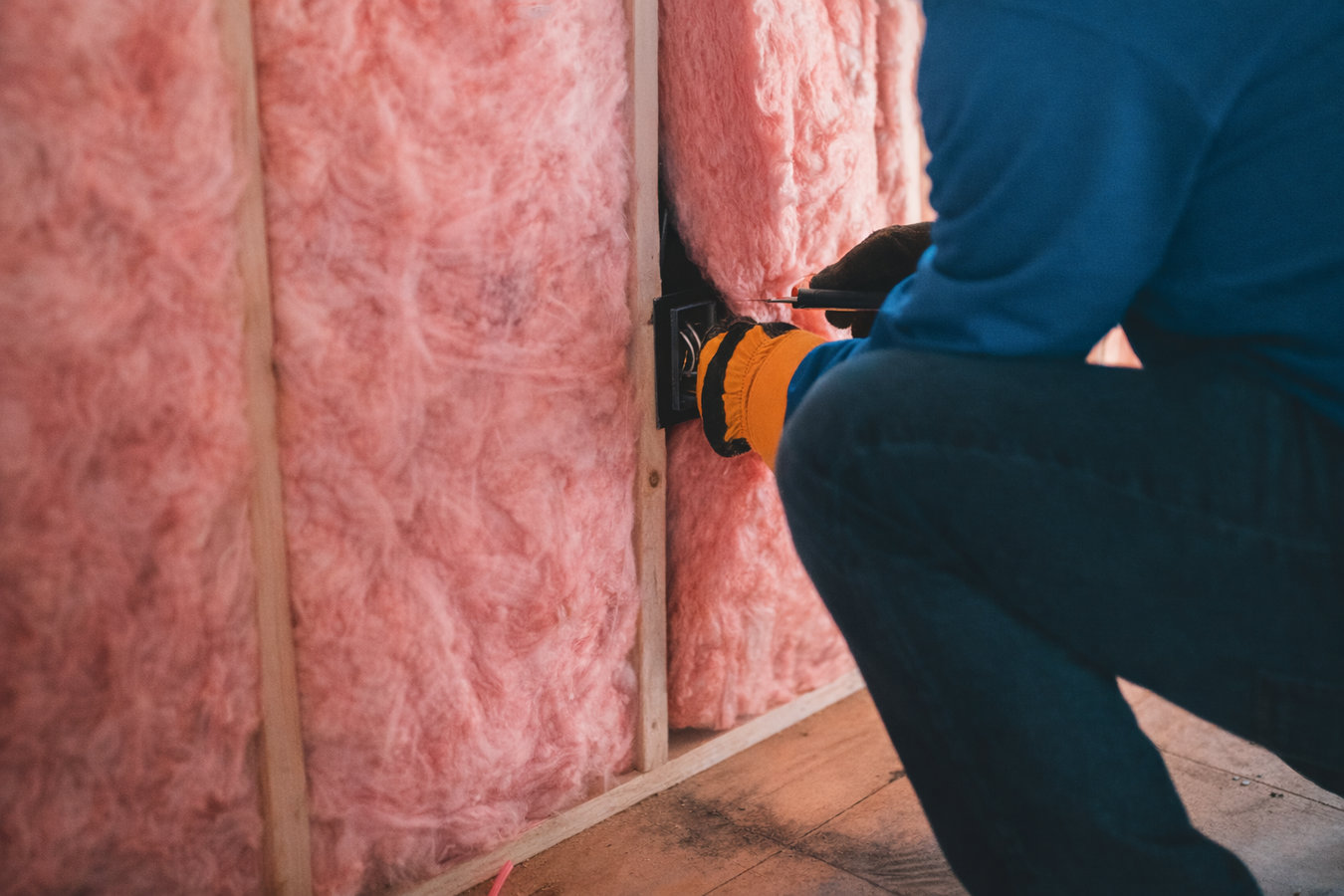
Heat escapes through your ceiling all winter long if your attic is under-insulated. We add the right amount of material, seal the air leaks first, and leave you with an attic that actually does its job - so your furnace runs less and your home stays more comfortable.
Attic insulation in Urbana acts like a thick blanket between your living space and the outdoors, slowing heat movement in both directions. Most jobs in a standard home take one day or less, and the difference shows up within the first heating or cooling cycle after installation.
If your home was built before 1980, there is a good chance the attic has not been touched since - and whatever was installed back then has likely settled, compressed, or degraded. Central Illinois falls in the federal government's Climate Zone 5, which carries some of the highest recommended insulation levels in the country - R-49 to R-60 for attics. Homes that fall short feel it every winter and every summer. We also recommend pairing attic insulation with attic air sealing, which closes the gaps that insulation alone cannot fix.
For attics where coverage is thin in spots or materials have degraded, we often recommend blown-in insulation, which fills every corner and irregular space evenly. The best approach depends on what is already there and what condition it is in - we assess that before recommending anything.
If your furnace runs constantly during Urbana's cold months but certain rooms still feel drafty or cold near the ceiling, heat is escaping through the attic. Urbana winters are long and genuinely cold - average January lows hover around 16 degrees F - and a poorly insulated attic puts real strain on your heating system and your wallet.
Urbana summers bring stretches of 90-degree heat with high humidity, and an under-insulated attic can turn your upper floor into an oven. If the second floor or rooms directly below the attic feel noticeably hotter than the rest of the house during July and August, heat is radiating down through the ceiling.
If you look into your attic and can clearly see the tops of the wooden framing members running across the floor, your insulation level is almost certainly too low. Those beams should be buried under insulation - if they are visible, you do not have enough material to meet the recommended level for central Illinois.
Ice dams are ridges of ice that build up along the edge of a roof after a snowfall - a classic sign that heat is escaping through the attic and melting snow unevenly. Urbana gets enough winter precipitation that ice dams are a real concern, and they can cause water to back up under shingles and leak into your home.
Most attic insulation jobs call for blown-in insulation, which covers irregular spaces and fills corners evenly without leaving gaps. We can add material on top of existing insulation - as long as it is dry and uncontaminated - or we can remove and replace what is there if moisture or pest damage has compromised it. Before any material goes in, we seal air leaks around pipes, wires, and light fixtures, which is what makes the insulation perform the way it should. We also pair attic work with standalone attic air sealing when a home's primary issue is air movement rather than insulation depth.
Every job includes a written quote that separates air sealing and insulation costs so you can compare it clearly against other estimates. We use materials that qualify for the federal tax credit and for utility rebate programs - and we provide the documentation you need to claim both. Homeowners may qualify for a federal energy efficiency tax credit worth up to 30 percent of insulation material costs on qualifying upgrades. Ask us during the estimate visit.
Best for topping off existing insulation or covering irregular attic spaces without removing what is already there.
Closes the gaps around pipes, wires, and fixtures before insulation goes in - the step most contractors skip that makes the biggest difference.
Needed when existing material is water-damaged, contaminated by pests, or contains materials that should be tested before anything is added on top.
Before recommending anything, we measure what is there, check for blocked vents and moisture issues, and tell you exactly where you stand.
Urbana's climate works your attic insulation hard in both directions. Winters drop below zero and summers push past 90 degrees with high humidity - so your attic is always under pressure, not just in January. Many of the homes in Urbana's established neighborhoods near the University of Illinois campus and along Lincoln Avenue were built between the 1920s and 1960s, often with little or no attic insulation, or with materials that have settled and degraded over decades. If your home was built before 1980 and has never had an attic upgrade, there is a good chance it is significantly under-insulated by today's standards. Homeowners in Champaign face the same housing stock and the same climate - we serve them regularly.
Urbana's older rental housing market also means many homes have had DIY improvements done over the years by various owners - so attics sometimes contain a patchwork of old insulation types, improperly installed vapor barriers, or blocked soffit vents. That is exactly why we do a thorough inspection before touching anything. Homeowners in Savoy and other nearby communities have the same mix of older and mid-century homes, and we bring the same careful approach to every assessment. Utility rebates through Ameren Illinois and Nicor Gas may also be available for qualifying upgrades - we will confirm eligibility as part of your estimate.
Reach out by phone or through our contact form and we will respond within 1 business day. We will ask a few quick questions - the age of your home, any problems you have noticed, and your availability - so we can schedule the assessment at a time that works for you.
We go up into your attic with a flashlight and measuring tool to check how much insulation is already there, what condition it is in, and where the air leaks are. We also check that the vents along your eaves are not blocked. This visit takes about 20 to 30 minutes and we walk you through what we found before we leave.
You receive a written quote that breaks out air sealing and insulation costs separately. We confirm whether the materials qualify for utility rebates and the federal tax credit so you have that information before you decide. No pressure to move forward on the spot.
The crew sets up their blowing equipment - typically run from a truck outside - and installs the insulation in even passes across the entire attic floor. Most Urbana homes are done in two to four hours. Before leaving, we walk you through the finished attic and provide any documentation you need for rebates or tax purposes.
We respond within 1 business day, come to your home for a full assessment at no charge, and give you a written estimate before any work is scheduled. No obligation.
(217) 207-0899We give every homeowner a free written estimate before any work begins. You see the scope, the materials, and the price up front - no pressure and no surprises once the crew arrives to start your attic project.
We will not quote a price without going into your attic first to measure what is there and check for air leaks, moisture issues, and blocked vents. Urbana's older housing stock means no two attics are alike - giving you a number without looking first is the fastest way to get the job wrong.
Urbana homeowners may qualify for rebates through Ameren Illinois or Nicor Gas and a federal tax credit worth up to 30 percent of insulation material costs. We use qualifying materials, confirm eligibility during the estimate visit, and provide the paperwork you need. The U.S. Department of Energy's ENERGY STAR program at energystar.gov is a good independent reference for what qualifies.
We do a thorough assessment before giving you any number, which means the quote you approve is the price you pay. That matters especially in Urbana's older housing stock, where unexpected conditions in the attic are common. You know what the crew is going to do before they arrive - no additions, no excuses.
All of that adds up to a simple promise: the assessment is honest, the estimate is accurate, and the work is documented properly. That is how we have built a reputation serving homeowners across Urbana and the surrounding communities - the same standard any reputable attic insulation company should hold itself to.
For independent guidance on recommended insulation levels and how to evaluate your options, the U.S. Department of Energy and ENERGY STAR both publish plain-language homeowner guides. For information on the federal tax credit for energy efficiency improvements, see the IRS Energy Efficient Home Improvement Credit page.
The most common method for topping off attic insulation - fills every corner evenly and works well over existing material.
Learn MoreClose the gaps that make insulation underperform - air sealing is the step that most attic jobs skip and most homeowners later wish they had included.
Learn MoreUrbana's heating season is long - the sooner your attic is properly insulated, the sooner you stop paying for heat that escapes straight through the ceiling. Contact us today to schedule your assessment.